ISO 42001 in the Wild: What Certification Actually Proves
Learn what ISO/IEC 42001 certification really proves, how to read scope boundaries, and what evidence to request so procurement doesn’t mistake a badge for governance.
Browse the full policy marketplace catalog
Control and monitor AI usage across your org
Protect codebase and infrastructure from risks
Prevent data leaks and enforce data policies
EU AI Act compliance policy templates
SB 24-205 reasonable care policy templates
PHI protection and healthcare AI policies
Trust Services Criteria policy templates
AI management system compliance policies
NIST AI Risk Management Framework policies
AI agent security, safety & reliability standard
Regulatory and internal compliance requirements
Enforce code quality and dev best practices
Operational policies for infrastructure workflows

Learn what ISO/IEC 42001 certification really proves, how to read scope boundaries, and what evidence to request so procurement doesn’t mistake a badge for governance.

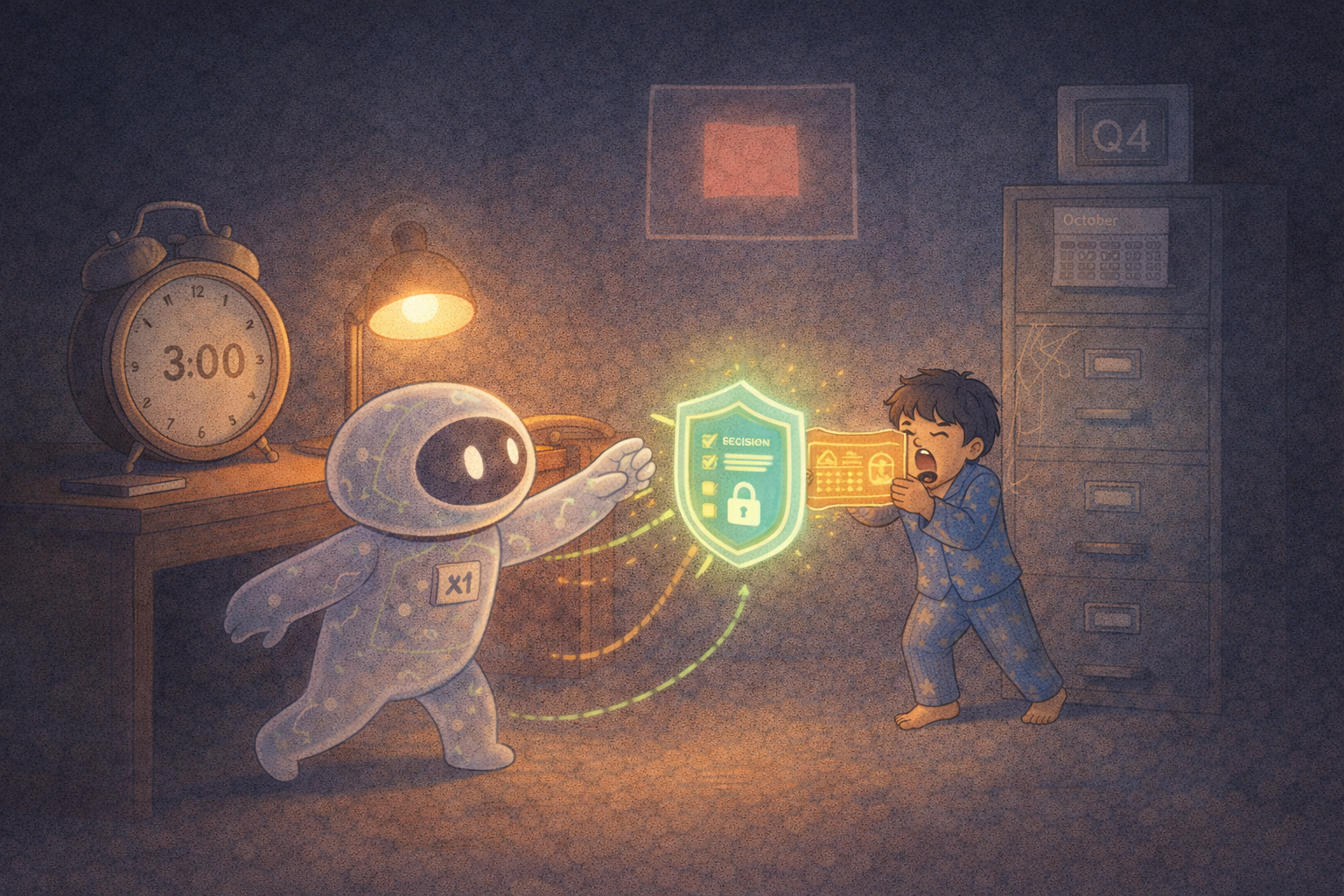
The Colorado AI Act becomes enforceable on June 30, 2026. The compliance industry is selling tools that won't satisfy what the statute actually requires. Here's the 3 a.m. test that cuts through the theater.

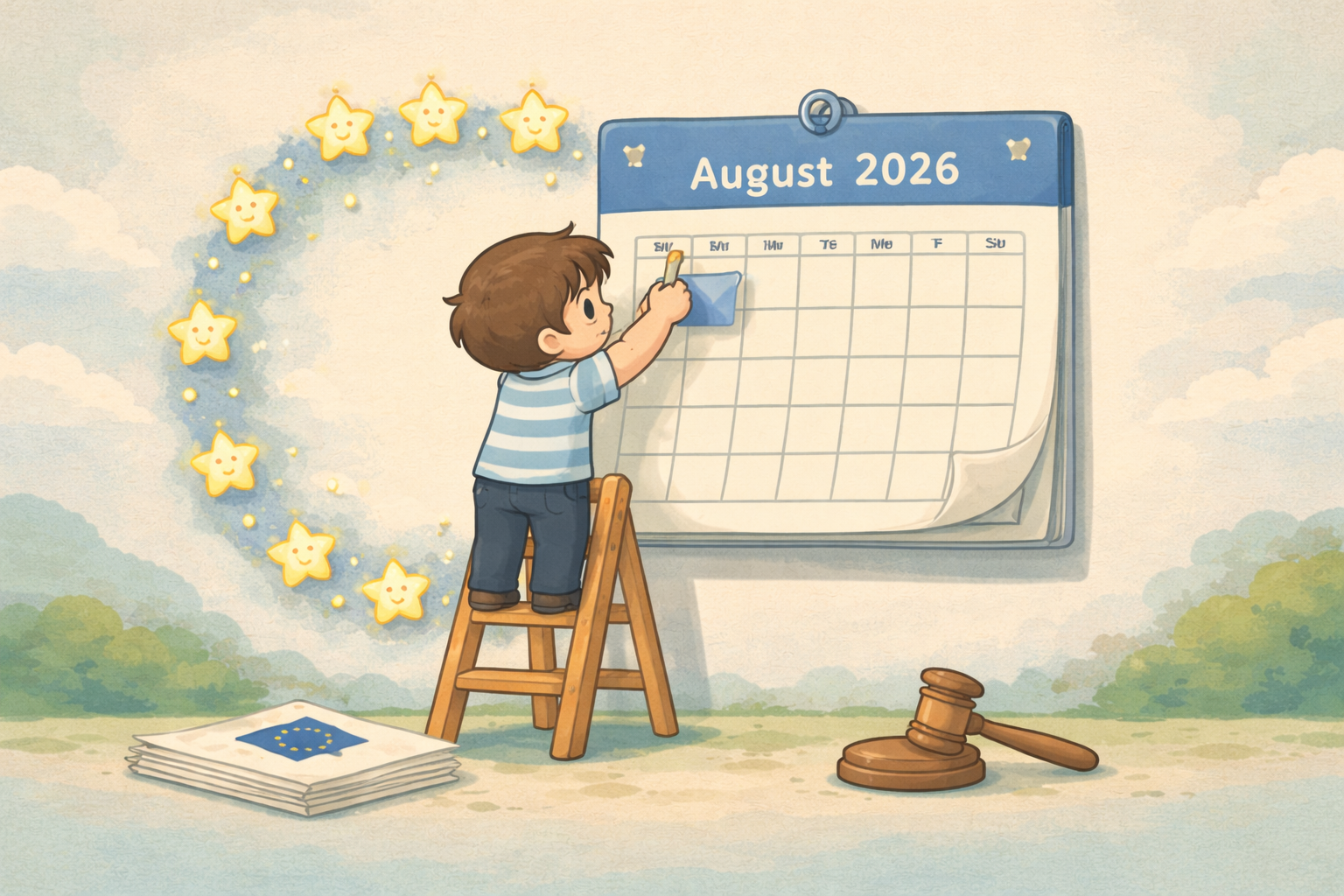
The European Parliament voted to extend EU AI Act deadlines for high-risk systems. The underlying requirements haven't changed. Here's how to re-sequence your compliance program without losing momentum.

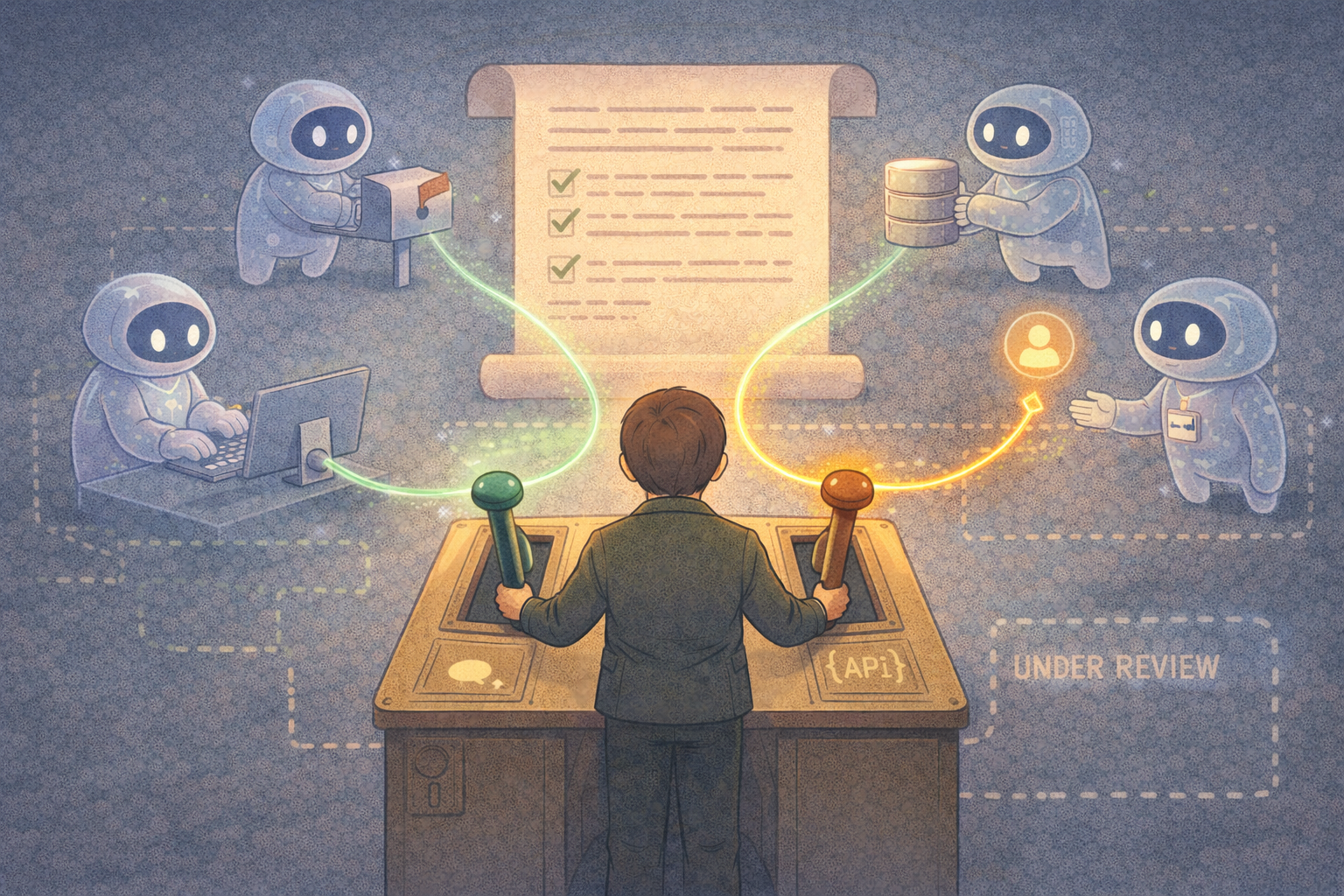
AI agent governance enforces organizational rules on autonomous AI systems that take actions on your behalf. Learn why it matters, what's missing from current approaches, and how to get started.

Every EU AI Act compliance guide starts with risk classification. But you can't classify what you haven't inventoried. Here's how to build an AI system inventory that actually drives compliance.

A practitioner breakdown of AIUC-1's 6 domains, 51 requirements, and which controls can be enforced automatically vs. which need human-produced evidence.

A compliance automation platform allegedly fabricated SOC 2, ISO 27001, and HIPAA reports for hundreds of clients. The scandal reveals a structural flaw: the industry treats compliance as a document to produce, not a state to maintain.

UiPath just became the first platform to achieve AIUC-1 certification — the first security, safety, and reliability standard built specifically for AI agents. Here's what it tests, what it doesn't cover, and why it's about to become table stakes.

SOC 2 hasn't changed, but how auditors apply the Trust Services Criteria to AI features has. Here's what to expect and how to prepare your evidence for AI-specific controls across security, processing integrity, confidentiality, and privacy.

LLM guardrails solve one layer of governance — filtering prompts and responses. But organizations face five critical gaps: multi-surface enforcement, stateful agent governance, organization-specific rules, graduated enforcement, and compliance evidence.

AI governance isn't a compliance checkbox — it's the infrastructure that proves your AI does what it should. This guide covers what governance means in practice, what it looks like at different stages, and how to build a program without hiring a compliance team.

Microsoft built a dedicated compliance governance engine — with EY's help — to manage AI governance across 80+ frameworks. If the company with the most resources on Earth decided they couldn't do this manually, what does that mean for everyone else?

Compliance today is a manual interpretation cycle — PDFs, internal policies, inconsistent enforcement. What if regulatory requirements distributed like npm packages? Here's the model, and why it's closer than you think.

Full enforcement for high-risk AI systems begins August 2, 2026. Here's what's already in effect, what's coming, who it applies to, and what you should be doing right now to prepare.

NIST launched the AI Agent Standards Initiative — a coordinated federal effort for agent security standards, identity frameworks, and interoperability protocols. Here's what it means and what you should do now.

OpenAI's acquisition of OpenClaw reveals the governance gap in autonomous AI agents. Here's what the architecture means for regulated industries — and why the constraint layer is the next battleground.

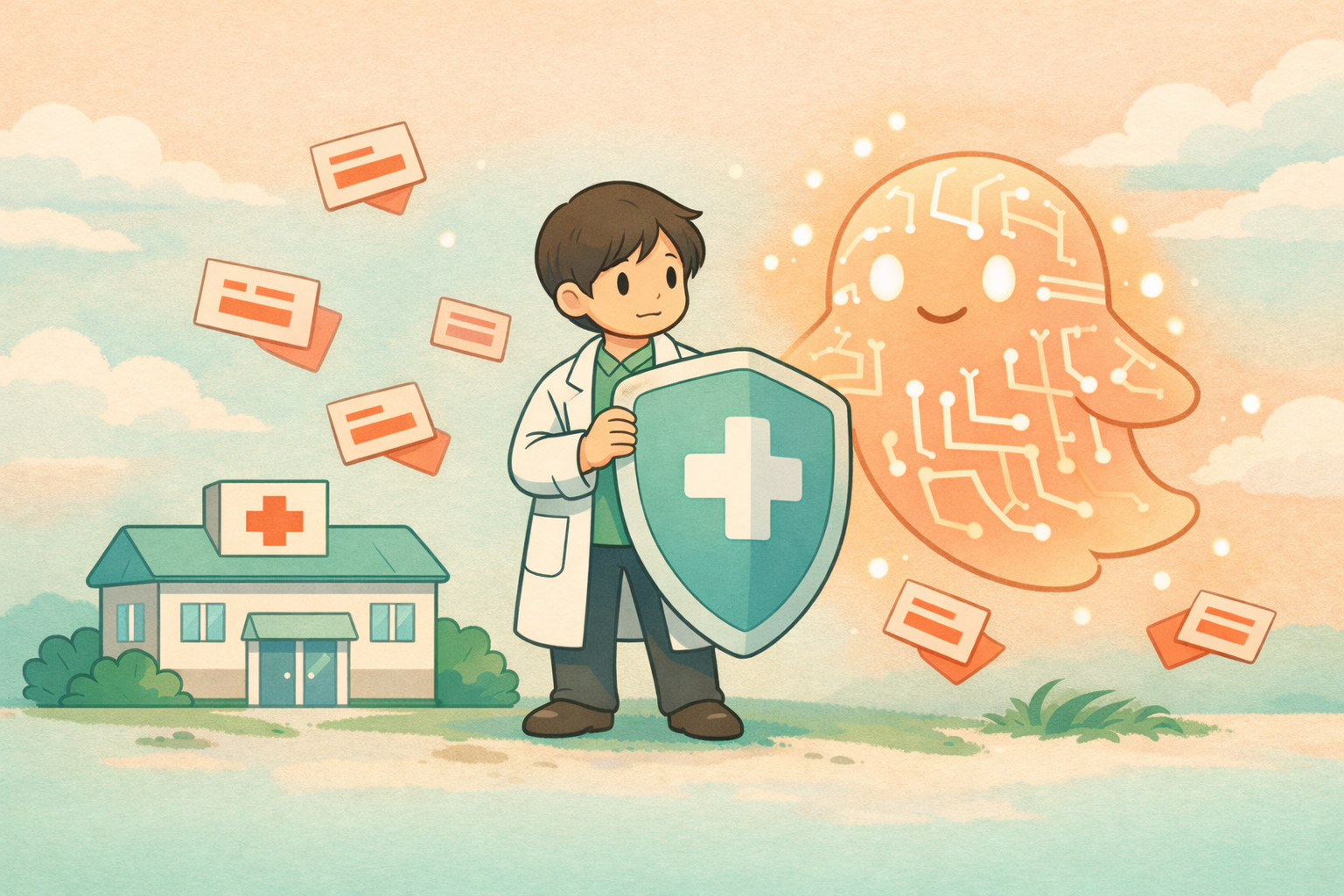
The HIPAA Privacy Rule updates taking effect in 2026 are the most significant changes in over a decade. Here's what healthcare AI companies need to know about PHI detection, minimum necessary standards, and continuous compliance.

Static PDF policies can't govern AI systems generating content at scale. Learn why policy-as-code — machine-readable, version-controlled, and automatically enforced rules — is the future of AI compliance.